
Wall Panelling Ideas to Transform Your Home
Wooden wall panelling can instantly add character, warmth and value to UK homes, from Victorian terraces to new-build flats. Whether you want to create a cosy living room, a serene bedroom retreat, or a stylish hallway that makes a lasting first impression, the right panelling transforms plain walls into architectural features worth talking about.
The ideas in this guide work for living rooms, bedrooms, hallways and bathrooms, with a focus on timber and wood-effect solutions that suit British interiors. Many of these wall panelling ideas are DIY-friendly using MDF, softwood or panelling kits available across the UK in 2025, so you can tackle a feature wall over a weekend without specialist skills.
Beyond the visual interest, panelling offers practical benefits that make it an excellent way to update your home:
- Hiding uneven walls – Battens and panels cover cracked or bumpy plaster without expensive re-plastering
- Improving insulation – Adding depth to walls creates a subtle thermal buffer, particularly useful in older period properties
- Protecting busy family areas – Half-height panelling in hallways shields walls from scuffs, bags and pushchairs
The sections that follow move from simple colour changes to more decorative profiles, so you can quickly pick ideas that suit your budget, skill level and interior style. Whether you want clean lines and minimalist elegance or traditional charm with architectural detail, there is a panelling approach here for you.
Use Soft, Neutral Tones for a Calm Backdrop
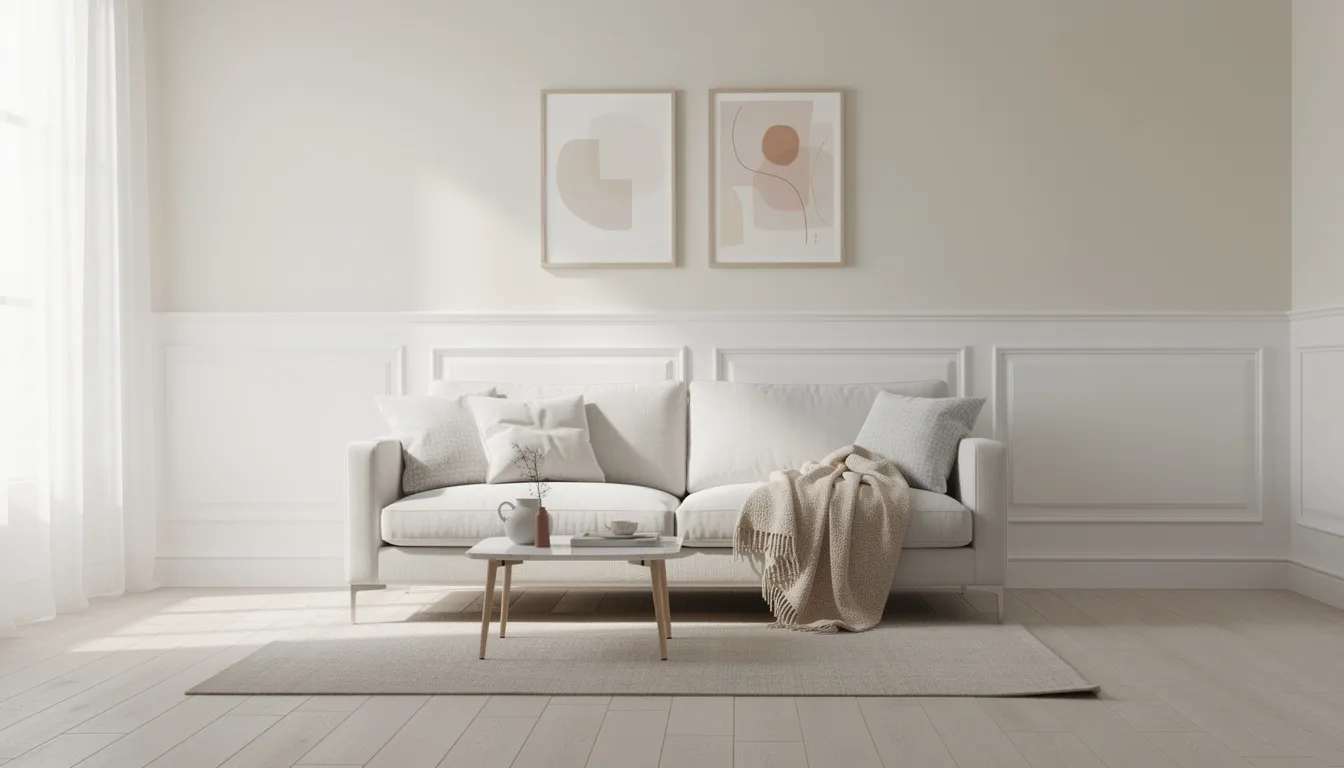
Off-whites, stone and greige shades work especially well on timber panelling in smaller British rooms, where natural light is often limited and space feels precious. Neutral tones create a serene, spacious atmosphere that makes walls recede and lets furniture and artwork take centre stage.
Popular neutral shades for panelling in living rooms and bedrooms include:
- Warm white – Softer than brilliant white, avoiding a clinical feel
- Soft stone – A gentle grey-beige that complements both modern and traditional interiors
- Pale taupe – Adds subtle warmth without overwhelming small rooms
- Chalky grey – Works beautifully in north-facing spaces where cooler tones can feel fresh rather than cold
Painting half-height panelling in a pale neutral and keeping the wall above in the same colour but a different sheen creates height and cohesion. Try eggshell on the panels and matt on the upper wall – the contrast catches the light differently, adding depth without introducing a second colour.
A 1930s semi in Leeds used full-height MDF panels in soft white to bounce light around a north-facing sitting room. The homeowners avoided heavy furniture and added a large mirror opposite the window, making the room feel twice its actual size.
This approach proves that neutral tones are far from boring – they create a perfect backdrop for artwork, textured soft furnishings and seasonal updates throughout the year.
Work in Natural Wooden Styles
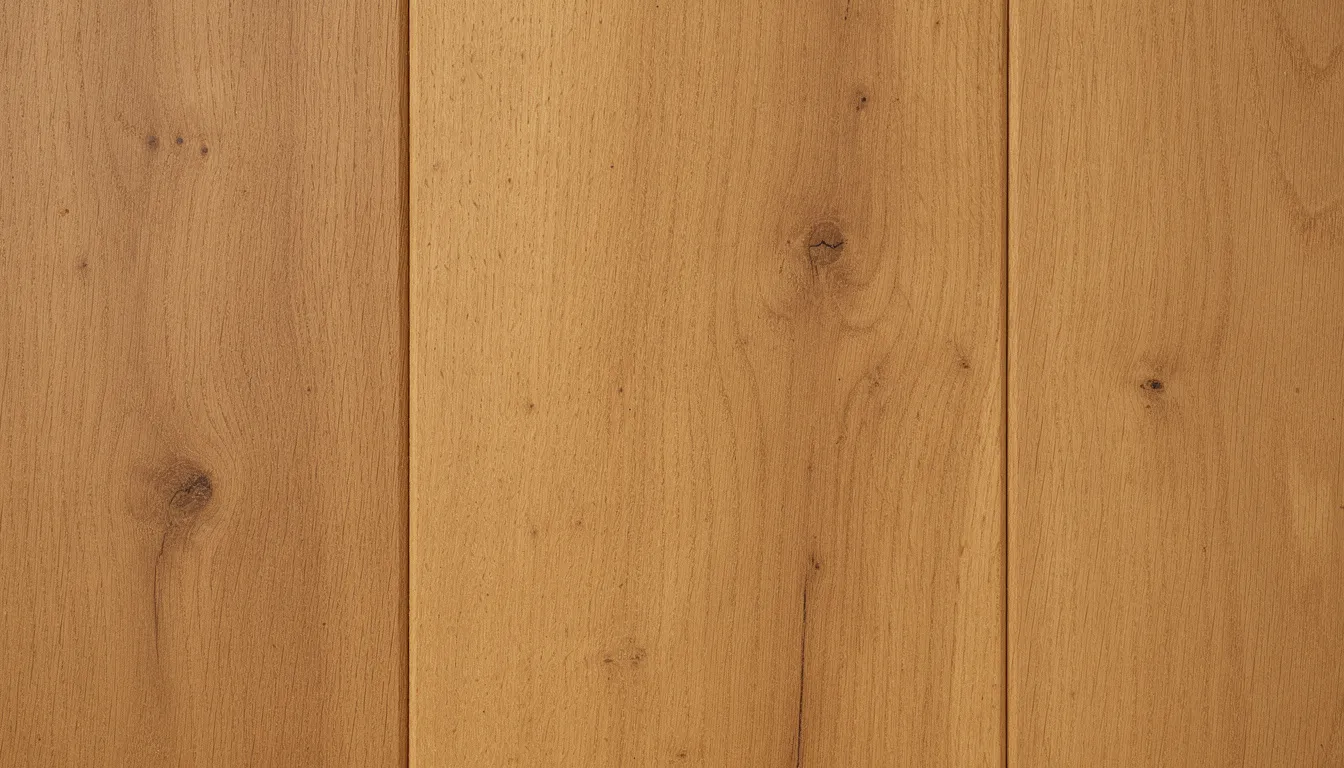
Real wood panelling in oak, pine or ash brings warmth and texture that painted finishes cannot fully replicate. The natural grain, subtle colour variations and tactile surface create rooms that feel grounded and inviting, connecting your interiors to the natural world outside.
Popular options in the UK include:
| Wood Type | Best Uses | Finish Options |
|---|---|---|
| Tongue-and-groove pine | Cottage kitchens, utility rooms, cloakrooms | Clear wax, white oil, painted |
| FSC-certified oak boards | Feature walls, hallways, living rooms | Hardwax oil, natural soap finish |
| Engineered oak slats | Bedroom headboard walls, home offices | Clear lacquer, tinted oils |
| Ash panels | Contemporary living spaces, alcoves | Whitewash, natural oil |
Natural finishes work particularly well in cosy living rooms, cottage kitchens and behind beds for a Scandinavian-style headboard wall. The key is matching the wood tone to your existing furniture and flooring – warm oak complements honey-toned floors, while cooler ash suits grey and white schemes.
In a 2024 renovation of a London Edwardian hallway, the owners installed vertical oak boards finished with clear hardwax oil. The golden tones of the wood brought warmth to the narrow space, while the vertical panelling created the illusion of a taller ceiling.
Maintenance is straightforward: re-oil every few years to keep the colour rich, avoid harsh cleaners that strip natural oils, and in bathrooms protect timber with specialist varnish or use moisture-resistant species like cedar. Natural wood panels reward a little care with decades of beautiful service.
Pick Out Traditional Picture Rails and Dado Details
Heritage joinery elements like picture rails, dados and deep skirting can be combined with panelling to restore period charm in older UK properties. These architectural details were standard in Victorian and Edwardian homes, and reinstating them adds instant character to rooms that feel bland or over-modernised.
Consider these classic combinations:
- Picture rail placement – Install a painted timber picture rail 30–40cm below the ceiling line, using simple square-edge or ogee mouldings to suit your property’s age
- Dado rail height – Position dados at approximately 90–100cm from the floor to cap half-height panelling in hallways and dining rooms
- Colour contrast – Paint the dado rail and panelling below in a deeper shade than the wall above, or use the same colour throughout for a contemporary colour-drenched effect
- Skirting integration – Match your skirting profile to the dado rail for a cohesive, considered look
- Gallery hanging – Use picture rails for hanging artwork in period properties to avoid drilling into original plaster
In a Victorian terrace in Bristol, the owners installed a traditional picture rail to display a rotating gallery wall. Artwork hangs from brass hooks on chains, preserving the original lime plaster beneath while adding a decorative feature that can be rearranged seasonally.
These traditional details work in modern homes too – simplified versions with clean lines bring subtle elegance to new-builds that lack architectural interest.
Add Fluted and Ribbed Timber Features
Fluted and ribbed timber panels have surged in popularity between 2023 and 2025, inspired by classical columns and mid-century joinery. These vertical grooves catch the light beautifully, creating movement and visual interest on otherwise flat walls.
Vertical fluted MDF or oak panels work particularly well as a focal point on a single feature wall:
- Behind a TV – The ribbed texture draws the eye while hiding cables run behind the panels
- Around a fireplace – Fluting adds architectural weight to a plain chimney breast
- As a bed headboard wall – Creates a bespoke, built-in look without the cost of custom joinery
Colour choices dramatically affect the mood. Painting fluted MDF in deep shades like ink blue, charcoal or forest green adds drama and suits contemporary interiors. Natural oak fluting feels lighter and more Scandinavian, perfect for bedrooms seeking that serene, restful atmosphere.
In a Manchester townhouse staircase, narrow 90mm fluted boards run up to dado height, painted to match the handrail in a deep slate grey. The ribbing adds texture to the otherwise plain hallway, and the consistent colour scheme creates elegant flow between floors.
Installation basics to consider:
- Fix horizontal battens to the wall first, then mount fluted panels vertically
- Allow for skirting boards by starting panels just above floor level
- Plan how flutes meet at external corners – mitred joints or corner pieces keep lines crisp
- Use a consistent gap between flutes (typically 6–12mm) for professional results
Go Bespoke with Shaker and Geometric Panelling
Bespoke timber panelling layouts using battens and MDF sheets let you create Shaker-style and geometric grids tailored precisely to your room. This approach suits UK homes with standard 2.4m ceilings and allows you to work around radiators, sockets and alcoves with precision.
Simple Shaker panelling uses 6–9mm MDF strips forming rectangles or squares. The classic proportions feel balanced and elegant, adding character without overwhelming a room. This style works beautifully in bedrooms, living rooms and hallways where you want traditional appeal with a modern edge.
For bolder statements in modern homes that lack architectural detail, consider:
- Tall rectangles – Elongated panels that draw the eye upward, making ceilings feel higher
- Asymmetrical patterns – Deliberately varied panel sizes for a contemporary, gallery-inspired look
- Diagonal shapes – Chevrons or herringbone arrangements that create dynamic movement
- Mixed geometrics – Combining squares and rectangles for a bespoke, one-of-a-kind wall
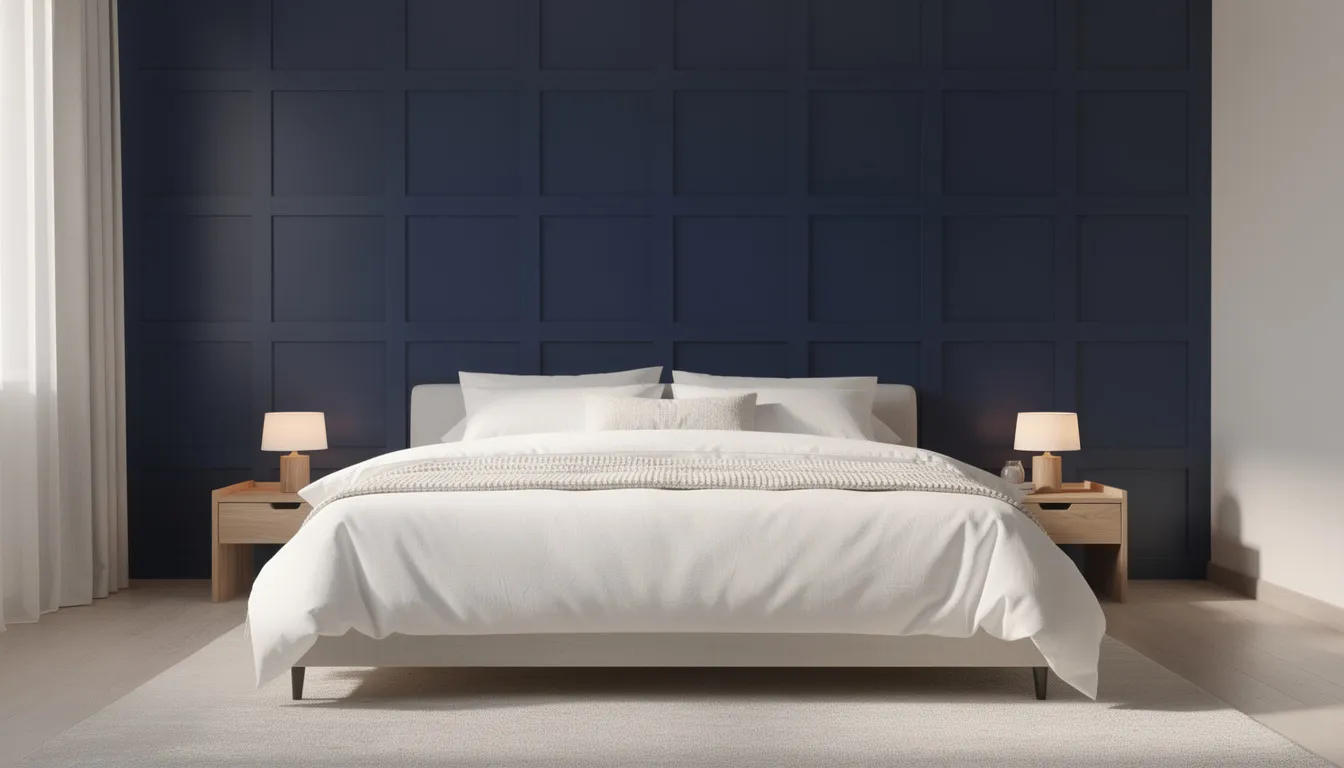
A 2025 loft conversion in Birmingham features a full-wall navy Shaker grid behind a king-size bed, with integrated reading lights mounted within the panel frames. The deep colour creates a cosy, cocooning feel perfect for a bedroom, while the geometric pattern adds decorative interest without artwork.
The beauty of bespoke layouts is their flexibility – you can design around awkward features, incorporate shallow storage cupboards behind larger panels, and create a truly personal style that reflects your taste.
Introduce Reeded and Slatted Designs for Texture
Understanding the difference between reeded mouldings and slatted walls helps you choose the right approach for adding texture to your interiors. Reeded designs feature fine, rounded ribs creating a subtle corrugated effect, while slatted walls use wider timber strips with visible gaps between each piece.
Reeded timber trims work beautifully on half-height panelling in bathrooms or cloakrooms as a smart alternative to tiles. When sealed with moisture-resistant paint, reeded panels handle humidity well and add warmth that ceramic simply cannot match.
3D slatted timber walls create more dramatic visual interest:
- Use evenly spaced oak or walnut slats on dark acoustic felt backing
- Perfect for home cinemas, offices or living rooms where you want to zone a space
- The gaps between slats add depth and shadow, making walls feel sculptural
- Acoustic felt backing helps reduce echo in rooms with hard flooring and large windows
A 2024 London flat bathroom features a reeded half-wall painted in soft sage, paired with terrazzo floor tiles. The combination of ribbed texture on the walls and speckled pattern on the floor creates a luxurious, spa-like atmosphere in just eight square metres.
Getting spacing and lighting right:
- Consistent gaps between slats are crucial – use spacers during installation
- Downlights exaggerate texture beautifully, creating dramatic shadows
- Avoid gaps wider than 20mm in bathrooms to prevent dust and moisture traps
- Consider LED strip lighting behind slats for ambient evening atmosphere
Make the Most of Stripwood and Softwood on a Budget
Stripwood and softwood mouldings are cost-effective ways to achieve a panelling look in 2025 without full wall coverage. This approach suits first-time buyers, renters wanting reversible upgrades, and anyone testing whether panelling suits their home before committing to a larger project.
Simple board-and-batten effects use 44mm or 69mm softwood battens fixed vertically to create rhythm and texture. Install them to dado height for a subtle effect, or take them full height for maximum impact. The clean lines suit both traditional and modern interiors.
For more decorative options on a tight budget, explore:
- Chevrons and diagonals – Made from thin stripwood, these geometric patterns add energy to modern apartments
- Simple frames – Rectangular outlines that mimic expensive panelling at a fraction of the cost
- Horizontal panelling – Battens running horizontally widen narrow rooms visually
- Rental-friendly adhesive strips – Removable options that avoid damage to walls
A first-time buyer’s 2-bed flat in Nottingham updated its hallway for under £200 using pre-primed softwood battens and MDF. The vertical strips, painted in a soft grey, transformed a bland corridor into a stylish entrance that impressed estate agents during a later valuation.
Basic preparation tips:
- Sand any rough edges before priming to avoid visible grain raising
- Prime knots with shellac-based primer to prevent bleed-through
- Choose durable satin or eggshell paints for high-traffic areas like hallways
- Invest in a decent mitre saw or mitre box for clean 45-degree corner cuts
Choosing Materials, Colours and Finishes for Wood Panelling
The choice between solid wood, MDF and wood-effect panels matters significantly in the UK’s damp climate. Understanding each material’s strengths helps you select the right option for each room.
| Material | Best For | Considerations |
|---|---|---|
| Solid wood (oak, pine) | Feature walls, hallways, dry rooms | Higher cost, requires maintenance, beautiful natural grain |
| MDF (standard) | Living rooms, bedrooms, painted schemes | Stable, smooth, must avoid moisture |
| Moisture-resistant MDF | Bathrooms, kitchens, utility rooms | Seal all edges, use appropriate primers |
| Wood-effect PVC | Shower panels, high-humidity areas | Fully waterproof, lower aesthetic appeal |
| Wood-plastic composite | Bathrooms, basements | Durable, resists mould, mid-range appearance |
Colour strategies to explore:
- Colour-drenching – Paint panelling, walls and skirting the same shade for a contemporary, enveloping feel
- Subtle contrast – Panelling one shade darker than the wall above adds definition without jarring
- Bold contrast – White panelling against deep-coloured walls creates classic elegance
- Two-tone schemes – Darker panels below dado height, lighter above for traditional proportions
Finish options and their effects:
- Matt paint – Modern understatement, hides imperfections, marks easily
- Eggshell paint – Slight sheen, practical for hallways and living rooms
- Satin paint – Durable, wipeable, suits high-traffic areas and families
- Clear oil or wax – Showcases natural grain, requires periodic maintenance
- Tinted stains – Colour timber while maintaining visible grain texture
Planning, Installation and Maintenance
Good planning and basic DIY skills can deliver professional-looking wall panelling in a weekend for many rooms. Taking time to measure carefully and prepare surfaces properly makes all the difference between an amateur finish and one that looks truly bespoke.
Core installation steps:
- Measure and mark out – Create a scale drawing of your wall, noting socket positions, radiators and light switches
- Locate services – Use a detector to find pipes, cables and studs before drilling or nailing
- Fix battens – Create a level framework using horizontal battens at top, bottom and mid-height
- Cut panels – Measure twice, cut once, and allow 2–3mm gaps for expansion in solid timber
- Fill and sand – Use flexible filler for joints and pin holes, sand smooth when dry
- Prime and paint – Apply MDF primer to all surfaces, including edges, before topcoats (a complete guide on installing MDF wall panelling kits)
Essential tools most UK homeowners already have:
- Tape measure and pencil
- Spirit level (or smartphone level app)
- Mitre saw or quality hand saw with mitre box
- Cordless drill and appropriate fixings
- Nail gun or hammer and panel pins
- Caulk gun, filler and sandpaper
Ongoing care keeps panelling looking fresh:
- Wipe painted panels with a damp cloth to remove dust and fingerprints
- Touch up paint every few years in high-traffic areas
- Re-oil natural wood annually to maintain richness and protect the surface
- Check sealed edges in bathrooms periodically for any moisture ingress
Start with one wall or one room to learn the process before tackling a whole house of panelling. A single feature wall behind a bed or a half-height treatment in a cloakroom builds your confidence and skills without overwhelming commitment. Once you see the transformation that well-executed wall panelling brings, you will be inspired to explore more ambitious projects throughout your home.
The right panelling ideas can elevate tired interiors into characterful spaces worth showing off. Whether you choose the timeless appeal of natural wood panels, the practical versatility of painted MDF, or the dramatic texture of fluted and slatted designs, you are adding lasting value and personal style to your home.